|
|
|
|
 |
|
Secret Messages
|
 |
This exhibition is now closed
Open from 4 October 2008 - 28 February 2009
This summer, museum Jan Corver has been closed for several months.
That was for a good reason. During the past 9 years, our collection
has been enhanced significantly, but our exhibition in Budel had hardly
changed. This was the main reason for giving the museum a complete makeover
and create a new - temporary - exhibiton. From 4 October 2008, until
28 Februari 2009, the museum will be open every Saturday to allow you to
view the exhibition Secret Messages.
The exposition shows objects from our own collection plus a large number
of unique objects from other museums and collectors. It covers the entire
period from World War II until the present day and a large portion of our
space is, of course, dominated by the Cold War. Some of the equipment
is still in working condition and our staff will be happy to demonstrate it
to you.
For the occasion, the museum floor has been divided into three areas,
each covering an historical period. Wherever possible, the equipment will
be shown in the correct chronological order, so that it will give you a good
historical view. Below is a brief description of what you may expect.
|
Despite the fact the World War II is now more than 60 years behind us, it
is still of interest to many people. This is mainly caused by the fact that
during that period, technological developments have made a enourmous leap.
World War II was and still is a source of inspiration for film makers, which
causes this period to keep young and old interested.
On display is, for example, equipment used by the Dutch resistance to
send secret messages to the Dutch Government in England. But we'll also
show you the equipment used by the Germans as well as the allies to
send encrypted messages. Who hasn't heard about the famous German Enigma
machine? Well, we have three different models of this rare machine on
display. But that's not all. We also have the German Siemens Geheimschreiber
present, just like the crypto machines used by the allies, such as the
Hagelin and Sigaba.
|
|
|
|
During WWII, many people listened to Radio Orange which was broadcasted via
the BBC. The Dutch government and our queen used Radio Orange to send messages
to the people in the occupied Netherlands.
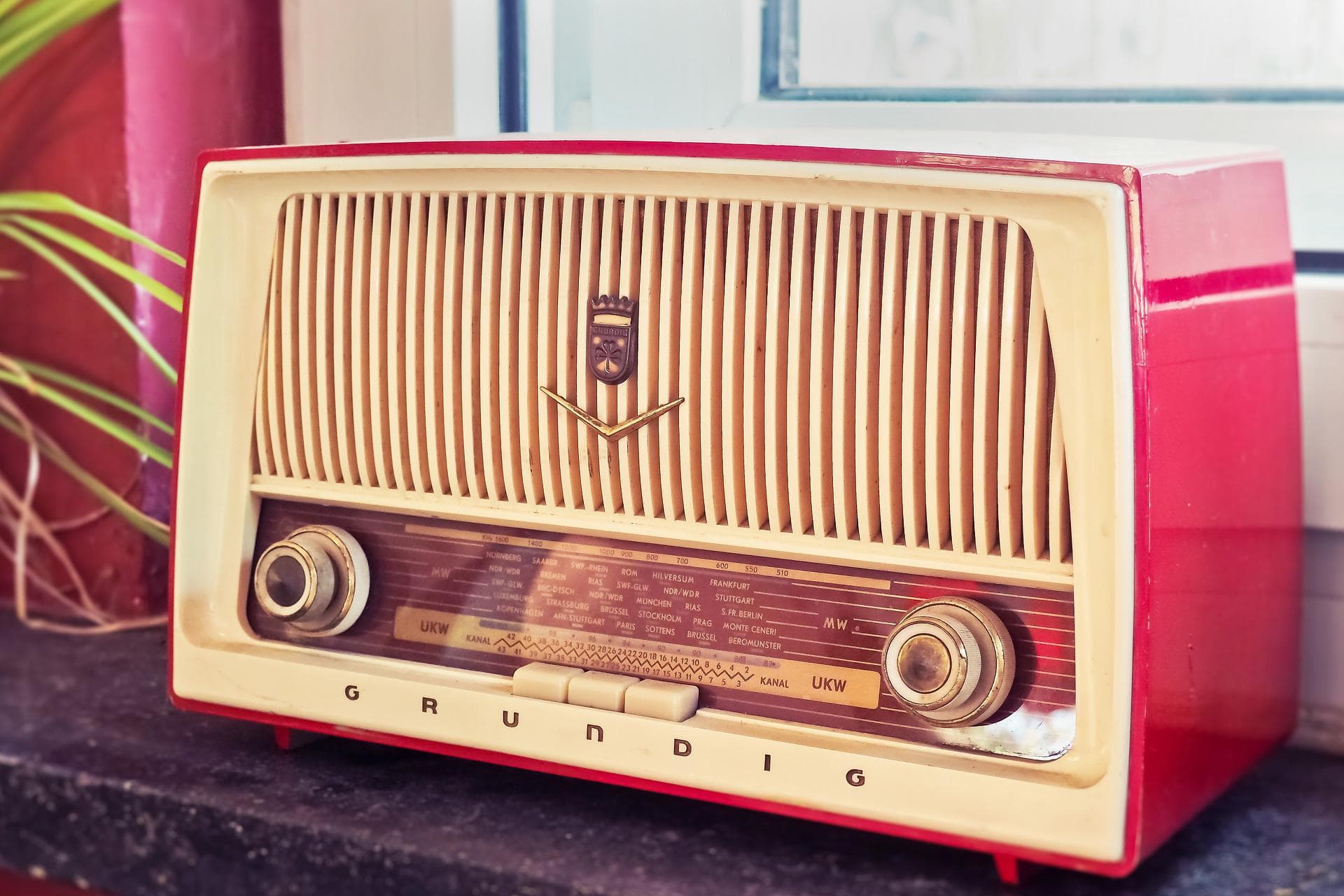
As the possesion of radios was illegal in those days, many people used small
self-built radios that could easily be hidden from the enemy. Some of
these amateur radios are now on display in the museum. To prevent people
from listening to the BBC, the Germans used a number of radio jammers
that they turned on during the broadcasts of Radio Orange. One of these
jammers is now on display as well.
|
The Cold War was a period of great political and militairy tension between
East and West. Bugging, tracing, espionage and counter-espionage were
common, and have been featuered in many movies ever since.
On display are, for example, a number of spy transceivers, created by the
Russians, that were used by spies and agents in the West to send secret
messages to Moskow. Just like in other European countries, some of these
transmitters have been found in the Netherlands and were confiscated by
the intelligence services.
Some agents used radio equipment that could be hidden under their clothing
which often led to the development of tracking devices by their enemies.
Both types of equipment are on display in the museum, some even in working
order.
|
|
|
|
|
|
The exhibition shows a large collection of spy equipment created by
the Russians, the Brits, the Americans and others, such as spy radio
equipment, spy cameras, concealed radios and equipment to trace the
secret transmitters of enemy agents. Also on display are crypto
machines such as the Russian Fialka (shown here) and the Swiss NEMA,
which are both clearly derived from the German Enigma, as well as
modern crypto stuff.
In order to make tracing of secret transmitters more difficult, both sides
used burst encoders. A burst encoder is a device which allows a previously
stored coded message to be transmidded in a few seconds. As this requires
the transmitter to be on the air for only a short period of time, it was
very difficult for the enemy to trace them.
|
|
It is, of course, difficult to say anything sensible about the equipment
that is currently being used, mainly because most of it still is
classified. But we can give you some ideas about what's happening and we
can show you devices that were until recently in use with government,
army and large companies. Some of this equipment will be shown to the
public for the very first time.
|
|
|
|
As frequent visitors will now, the museum is normally only open on the
first and third Saterday of each month. However, to allow anyone to view
the new temporary exhibition, we've decided to open our doors
every Saturday until 28 February 2009 from 10:00 to 17:00.
For schools and other groups it will be possible to visit the museum
outside these opening hours. Please contact
the museum director for this.
|
On 1 October 2008, Museum Jan Corver has issued a press release
with details about the exhibition Secret Messages. Editors, webmasters
and other interested people may download this press release below.
The press release is available as a PDF file, as well as a 'flat'
ASCII text file.
Furthermore, a high resolution photograph of a German Enigma machine
is available. This image can be used freely for the promotion
of this exhibition. Use of the image for any other purpose, whithout
our prior written consent, is prohibited.
Press release in PDF format (English)
Press release in 'flat' ASCII format
Hi-res image of a German Enigma machine
|
|
|
|
|
Below are a couple of photographs of the new exhibition.
You may click any of the photographs for a high-resolution image.
Use of these images for promotion of the exhibition Secret Messages
is allowed. Use of the images for any other purpose, without our
prior written consent, is prohibited.
|
|
|